

The fatal crowd incident in Kolkata on 17 October 2026 raises urgent questions about how large events manage public instructions and field response. India's Prime Minister's Office confirmed the loss of lives in an official statement. That statement does not establish the incident's cause or demonstrate that a particular announcement, communication system or equipment failure caused it.
The engineering issue is broader than loudspeaker coverage. A public address (PA) message can direct movement, but it cannot determine whether an exit remains usable, stop an opposing flow or confirm that assistance has reached someone. Those actions require an event plan, assigned staff and communication between command and the field. The analysis below concerns those planning requirements; it is not a finding about responsibility for the Kolkata incident.
Public Warnings and Field Actions Must Support the Same Decision
An event response can fail even when the audience hears an announcement. A route may be obstructed, a gate team may receive a different instruction, or incoming visitors may continue toward an area being cleared. The practical objective is to make public messages and operational actions consistent with the current route plan.
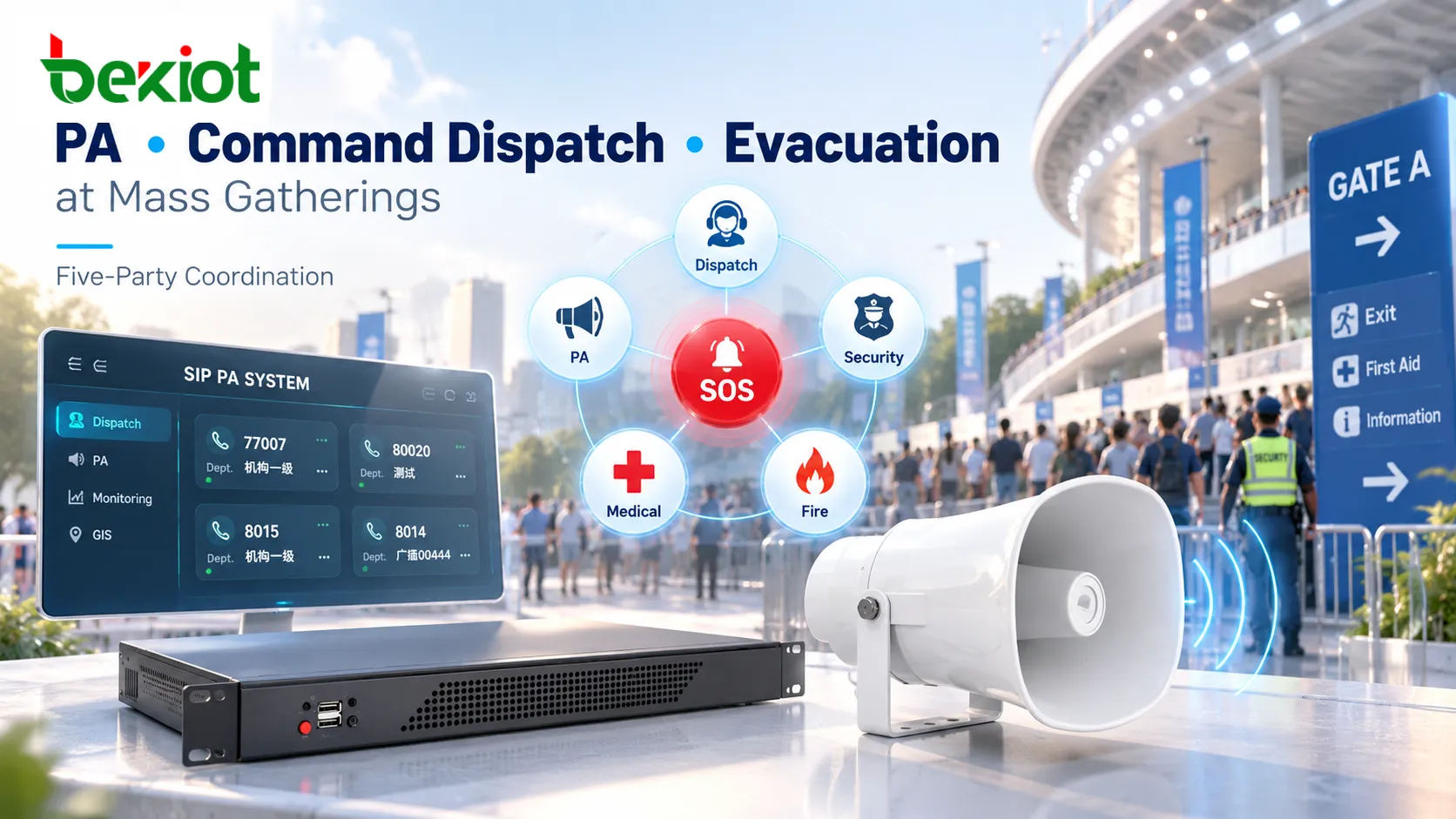
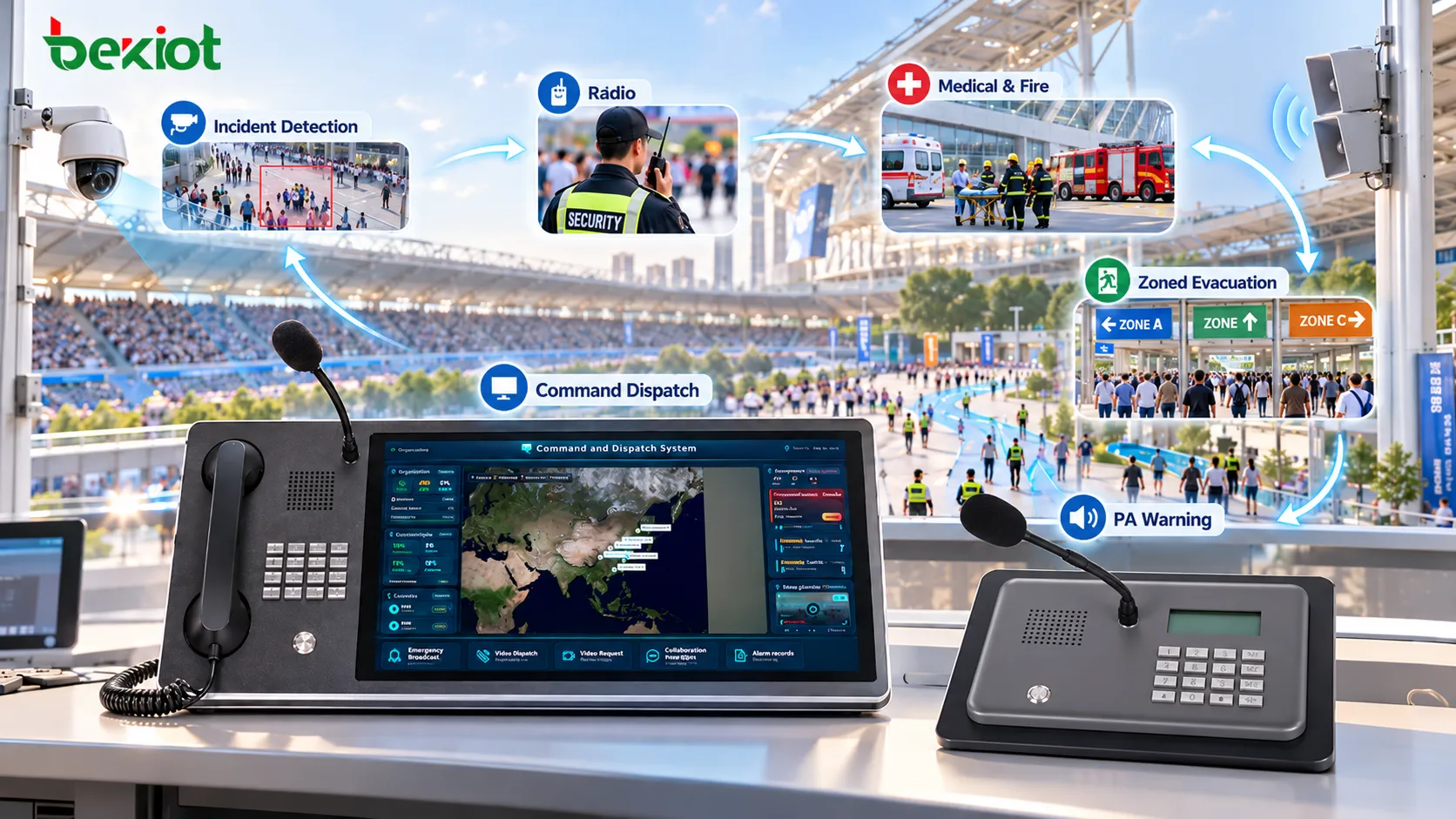
PA, dispatch and evacuation perform related but different functions:
| Function | Operational purpose | What it cannot establish alone |
|---|---|---|
| Public address | Tell the affected audience what action to take and where to go | Whether people understood, followed the message or reached a safer location |
| Command and dispatch | Assign tasks, coordinate teams and update the operating picture | Whether a route is physically usable without reliable field information |
| Movement and route management | Guide people through available routes while controlling conflicting flows | Whether all audiences received the current instruction |
| Field reporting | Report conditions, completed actions and requests for assistance | That the whole venue has been checked merely because one team acknowledged |
These functions need not run as a slow sequence in which dispatch waits for a broadcast to finish. Predefined tasks can proceed in parallel: one operator issues an urgent warning, another contacts gate supervisors, and field teams report changing conditions. The plan must identify who can act immediately and who coordinates subsequent changes. A credible immediate threat should not wait for an optional camera check or an extra management approval.
Match Instructions to Routes, Zones and Changing Conditions
Use a Shared Location and Route Vocabulary
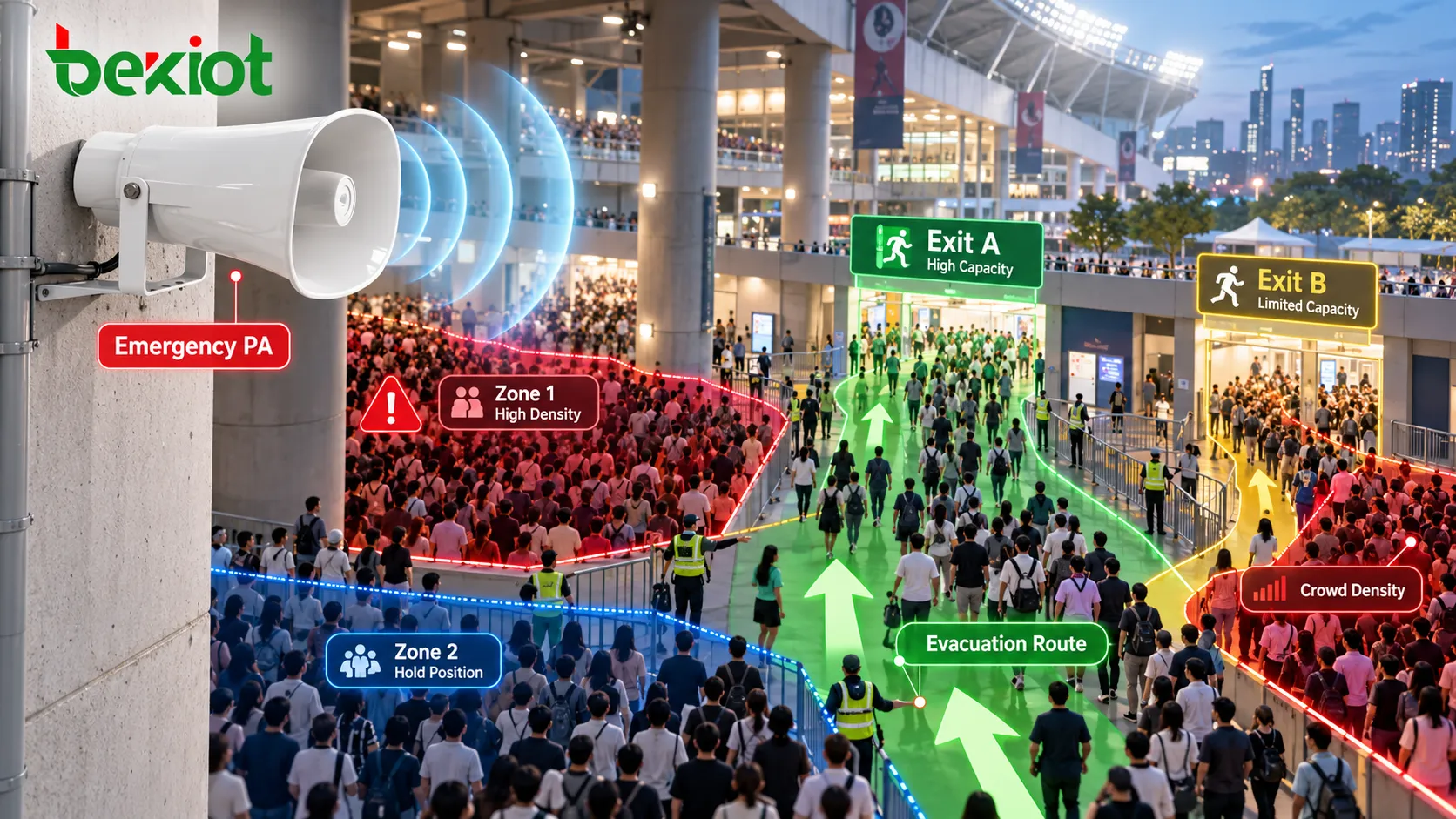
The control room, stewards, medical teams and public signs should identify the same locations consistently. A loudspeaker circuit number is not necessarily a useful crowd-management zone. A zone should correspond to an area whose occupants can receive a coherent instruction and reach a suitable route without creating an unmanaged conflict elsewhere.
Before opening, walk the routes with the staff who will operate them. Check gates, temporary barriers, accessible paths, external holding areas and emergency-service access against the actual event layout. Record who reports route changes and who updates the public message. Weather or crowd movement can alter usable space during the event; the morning inspection is not proof that a route remains suitable later.
Choose the Movement Strategy for the Hazard
Zoned or phased movement can reduce conflicting flows when the risk assessment and available routes support it. It is not automatically safer than a wider evacuation. A rapidly spreading threat may require broader action, while another hazard may make movement toward a particular outside area inappropriate. The event's competent safety planning team and relevant authorities must establish the applicable response scenarios.
The UK Health and Safety Executive's crowd-management guidance addresses changing crowd conditions, communication and emergency arrangements. Its practical relevance here is the need to manage people and routes throughout the event, rather than treating a successful announcement as the end of the response.
Make Messages Actionable and Consistent
A message should identify the affected audience, the immediate action and a usable direction. Avoid an instruction such as “move to the nearest exit” when the nearest route may be unavailable. Use the location names that appear on signs, and prepare language and accessibility arrangements for the expected audience.
Illustrative wording only: “Visitors in Zone C, follow stewards toward the signed East Exit. Keep the central access lane clear.” Such wording is suitable only if that route has been designated for the scenario and remains usable. It is not a universal evacuation script.
Live and recorded messages should follow the same operating plan. Define who can replace a recording, how stale instructions are stopped, and how neighbouring zones receive compatible information. If different languages are needed, test whether message length and repetition allow people to act promptly.
Specify Communication Functions and Their Failure Boundaries
Separate Public Audio from Responder Coordination
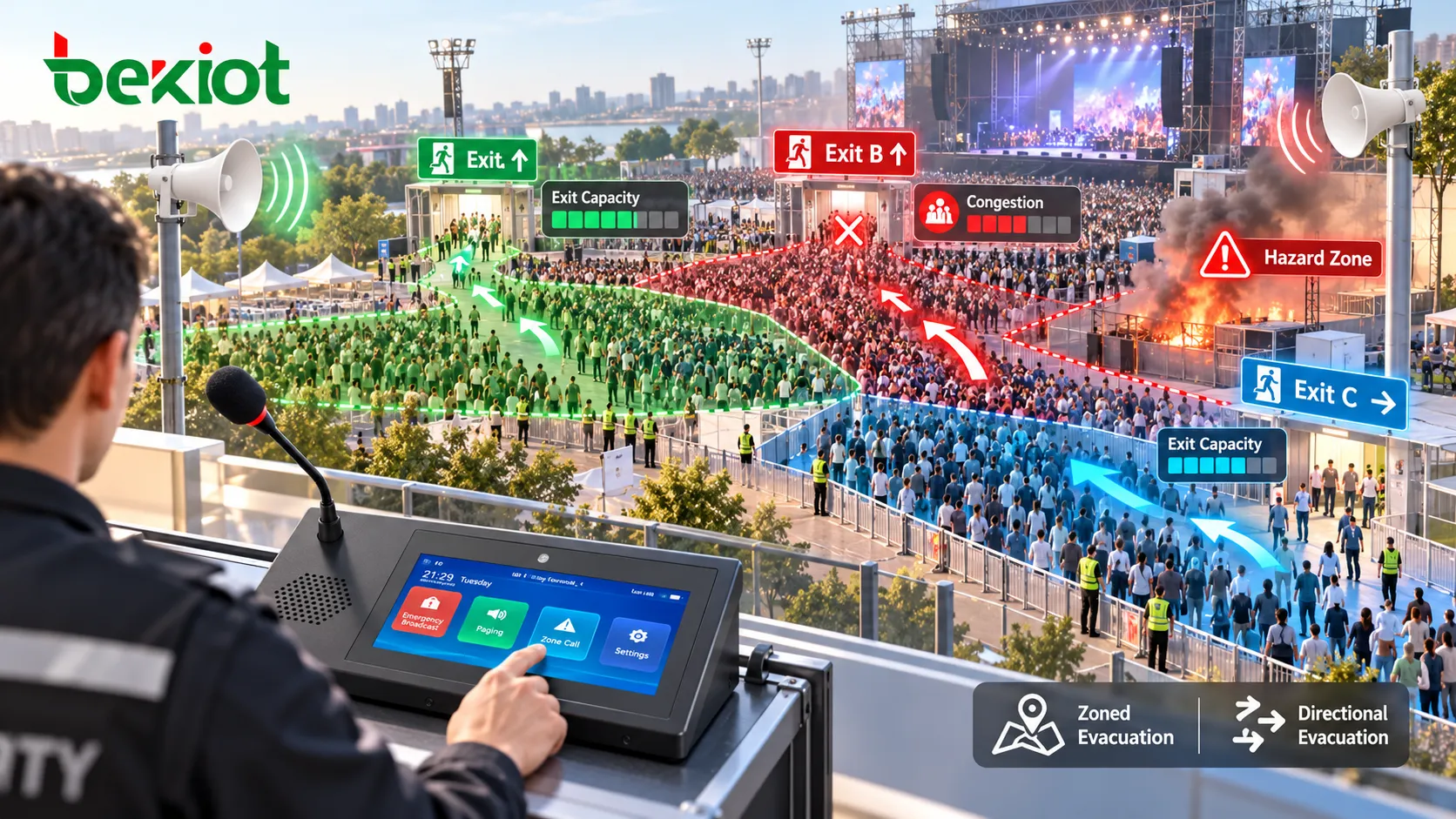
The audience needs clear instructions; responders need task assignments and a way to report conditions. Their communication channels may share infrastructure, but the design should prevent routine radio traffic or an unintended open microphone from entering the public broadcast.
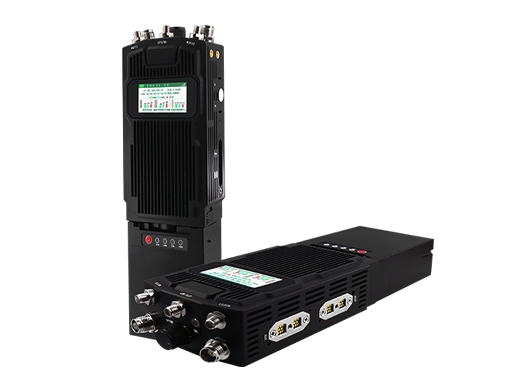
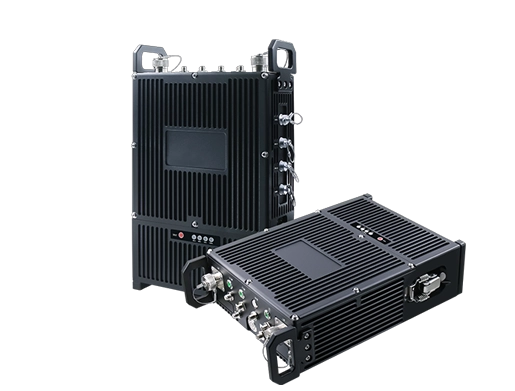
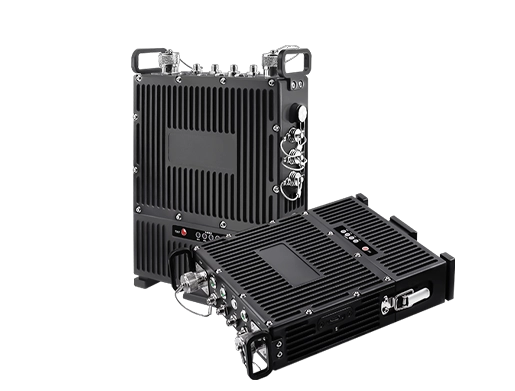
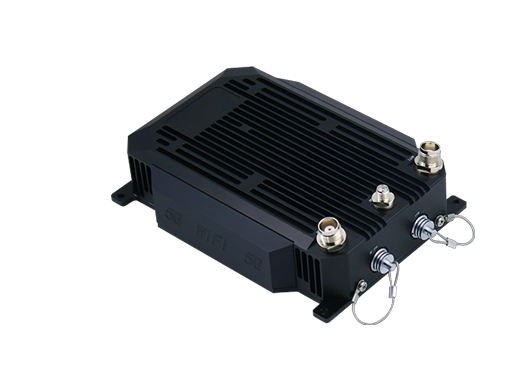
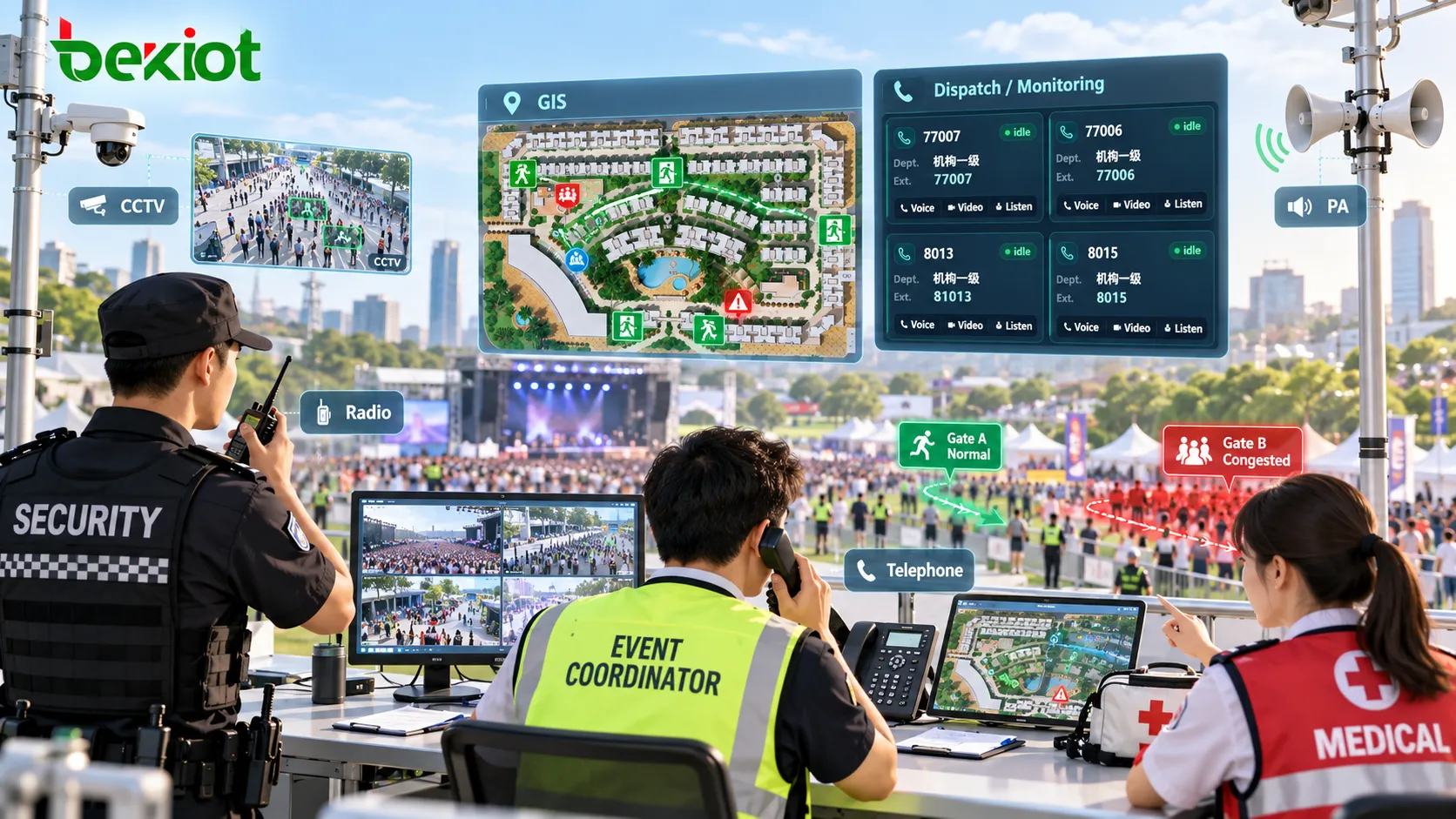
For an integrated system, document the function at each boundary. A PA controller selects audio zones and applies its configured priorities. Dispatch software may manage calls and task records. A radio gateway may connect a supported radio interface to an IP platform. CCTV may help operators interpret a scene. None of those individual components proves that the complete response workflow is available or tested.
SIP support alone does not establish emergency-message priority, monitored loudspeaker circuits, standby power duration or compliance with applicable voice-alarm requirements. Where a system has a regulated life-safety role, verify the relevant local requirements and the evidence for the complete design. Do not assume that an ordinary paging installation satisfies them.
Confirm Both Instructions and Outcomes
“Message sent,” “task acknowledged” and “route clear” are different states. Dispatch records should distinguish them. An acknowledgment tells command that a team received a task; it does not prove that a gate opened or that a crowd has passed through it.
Assign a reporting owner to each important area, including exits, external approaches and assistance points. Use concise status reports that state the location, current condition, action taken and help required. Treat camera views as supporting information: obstruction, poor visibility and areas outside coverage can limit what operators see.
Plan a Usable Fallback
Check the complete power and communication chain: microphones, controllers, amplifiers, network switches, dispatch terminals and the links used by field teams. A powered handset cannot communicate through an unpowered switch. Likewise, a backup network path is useful only if operators can still reach the functions they need.
Define how staff continue when a radio channel, PA zone, controller or network link fails. Depending on the venue plan, this may involve an alternate control position, a separate radio channel, local staff instructions or portable loudhailers. A fallback is effective only within its coverage and staffing limits. Do not describe a single integrated platform as the only acceptable architecture; a documented, exercised interface between separate systems may meet the operational need.
For system planning, Becke Telcom's major event command and field operations solution provides a relevant architecture discussion. Actual radio, PA, alarm and video interfaces must be confirmed for the proposed equipment and configuration.
Rehearse the Decision, the Message and the Field Response
The HSE guidance on event incidents and emergencies recommends planned responsibilities, communications and exercises, including arrangements for stopping a show. A rehearsal should therefore assess how people use the system as well as whether equipment powers on.
| Exercise | Evidence to record |
|---|---|
| A route becomes unavailable | Who reports the change, who changes the instruction and whether field teams use the revised route plan |
| One zone cannot hear the main PA | How the fault is detected, which fallback reaches that audience and its practical coverage limit |
| Two teams need to use the same access lane | How the conflict is resolved without obstructing the agreed emergency-service route |
| An operator or communication link becomes unavailable | Handover, alternate contact method and access to the current incident information |
| A visitor needs assisted movement | How assistance is requested, assigned and confirmed using the planned accessible route |
Agree acceptance criteria before the exercise. Include whether messages are understandable under representative sound conditions, whether zones match their labels, whether emergency priorities work as designed, and whether staff can operate the fallback. Record failures and retest the affected function after correction. A single successful call or an empty-venue loudspeaker check cannot validate the entire response.
Preserve relevant message versions, operator actions, field reports and fault records for the review, subject to the event's data-handling rules. Evaluate delays and conflicting instructions without assuming that a communication log describes every physical action. Update both the operating plan and training when findings reveal a gap.
For the broader meaning of evacuation, refuge and assembly, see what evacuation involves. The specific lesson for event communication is to test the connection between a decision, the audience's instruction and the field action that makes that instruction workable.